
What If Your Website Was Unbreakable From Day One?
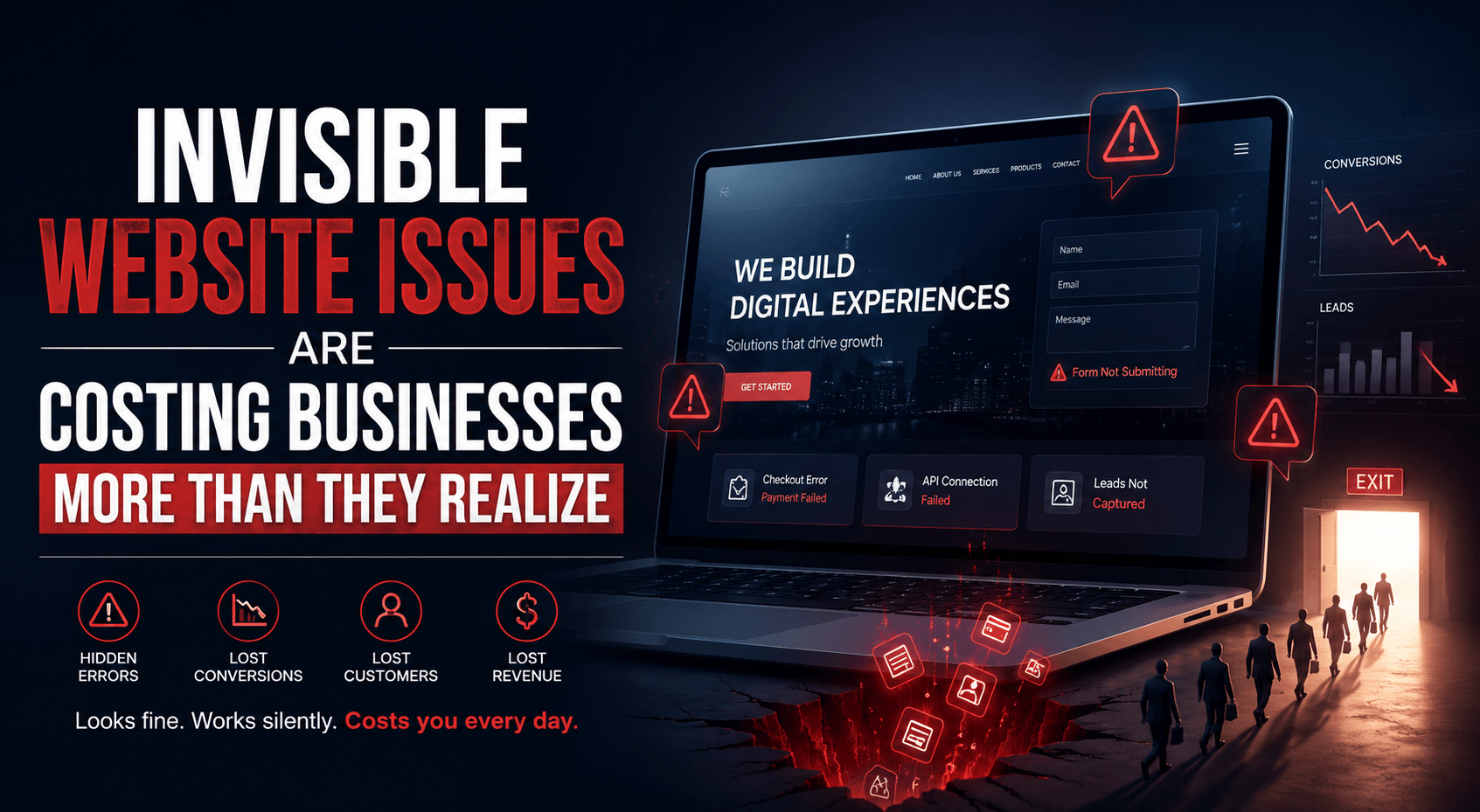
Your dream business is finally live. The website looks sharp, traffic is growing, leads are coming in, and everything feels like it’s moving exactly as planned. Then, without warning, something breaks. The site slows down, pages stop loading, customer data is at risk, and in a matter of seconds, what you built with months of effort starts slipping out of control.
This is how most businesses encounter cybersecurity. Not as a planned investment, but as a sudden crisis. The uncomfortable truth is that the threat was always there. It just wasn’t visible.
The Cyber Shadow Most Businesses Ignore
Every website, regardless of size, sits in a constantly exposed environment. It is scanned, tested, and probed continuously by automated systems looking for weaknesses. These are not always targeted attacks. Most of the time, they are opportunistic. The problem is not that attacks are rare. The problem is that they are constant.
What makes this dangerous is how predictable most websites are in their vulnerabilities. Common gaps include:
- Outdated plugins or frameworks
- Weak authentication systems
- Misconfigured servers or databases
- Lack of encryption or improper SSL setup
- No real-time monitoring or alert systems
These are not advanced failures but foundational oversights; and this is exactly what attackers look for first.
Why “Fixing It Later” Doesn’t Work
Many businesses treat security as something to address after growth begins. The logic sounds reasonable. Build first, secure later. In reality, this approach creates compounding risk.
Once your website is live, it is already exposed. Every delay in securing it increases the attack surface, and when a breach happens, the cost is never limited to just fixing the issue.
You are dealing with:
- Downtime and lost revenue
- Damage to brand credibility
- Potential legal and compliance consequences
- Loss of customer trust, which is far harder to rebuild than infrastructure
Security is not a patch. It is a foundation.
What an “Unbreakable” Website Actually Means
No system is completely immune. Absolute security is a myth.
But an unbreakable website, in practical terms, means something very specific. It means a system that is designed to resist, detect, and recover from threats without collapsing.
That level of resilience comes from building security into every layer:
- Architecture level
Secure frameworks, minimal exposure points, and clean code practices - Application level
Input validation, authentication controls, and protection against common exploits - Infrastructure level
Firewalls, server hardening, and access control policies - Data level
Encryption, backup strategies, and controlled data access - Monitoring level
Real-time alerts, anomaly detection, and response mechanisms
When these layers work together, the system does not just survive attacks. It absorbs them.
The Shift From Reactive to Proactive Security
The biggest difference between vulnerable businesses and resilient ones is not budget – it is in the mindset. Reactive security waits for something to go wrong while Proactive security assumes something will.
That shift changes how decisions are made:
- Security is included during development, not after deployment
- Testing includes vulnerability assessments, not just functionality checks
- Updates and patches are scheduled, not postponed
- Access is controlled, not loosely managed
This approach does not eliminate risk entirely, but it drastically reduces exposure and impact.
Where Most Businesses Get It Wrong
The misconception is that cybersecurity is only relevant for large companies or high-traffic platforms. In reality, smaller businesses are often easier targets because they lack structured defenses. Attackers are not always looking for the biggest prize. They are looking for the easiest entry point.
Another common mistake is over-reliance on basic tools. Installing a plugin or adding a firewall is not the same as building a secure system. Tools help, but they do not replace strategy. Security is not a feature you install but a system you design.
Building It Right From Day One
If you want your website to be resilient, the starting point matters. From the very first stage of development, decisions should align with long-term security, not just short-term functionality. This includes choosing the right tech stack, setting up proper access controls, structuring databases securely, and planning for scale without compromising safety.
At the same time, regular assessments become critical. Vulnerability testing, penetration testing, and continuous monitoring ensure that new risks are identified before they turn into real problems. This is how businesses move from being exposed to being prepared.
The Reality You Can’t Ignore
The question is not whether your website will be tested. The answer to that is it will be. However, the only real question is whether it will hold when that moment comes.
Because when a cyber incident happens, it does not give warnings, and it does not wait for you to be ready. It exposes whatever is already weak. Therefore, launching a website is not the finish line. It is the beginning of a continuous cycle of exposure, adaptation, and protection.
Businesses that understand this early build systems that last. They operate with confidence, knowing that even under pressure, their foundation holds. And that is what “unbreakable” really means. Not perfection, but preparedness built into the core.
Watch this video to know more :